III Applicable legal framework
13.
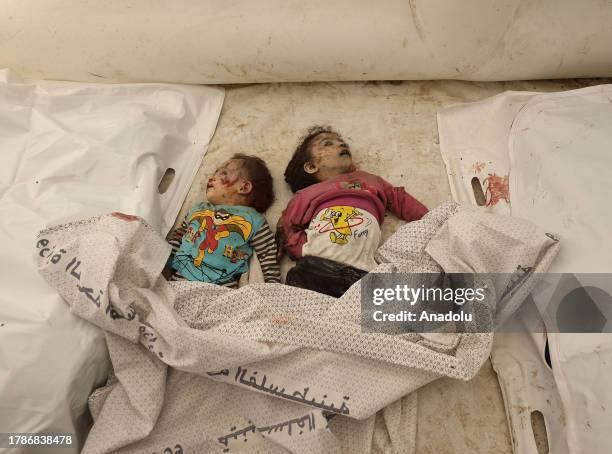
The Commission affirms that children are rights holders whose rights are enshrined in human rights instruments. Children are entitled to all the rights of human beings, as well as rights held by them alone as children, including under article 25 of the Universal Declaration of Human Rights (UDHR), which entitles them to special care, assistance and social protection, and under the Convention on the Rights of the Child (CRC). This heightened protection applies to all Palestinian children under the occupation of Israel, as an occupying power, in the Occupied Palestinian Territory, including East Jerusalem. This special status of children is stipulated under international human rights law, international humanitarian law, international criminal law and customary international law, which together recognise that persons under 18 have distinct needs and vulnerabilities that require additional safeguards in situations of armed conflict, occupation and law enforcement.
18.
As an occupying power, Israel has extensive duties towards the protected civilian population, especially children: it must, to the fullest extent of the means available, ensure the provision of adequate food and medical supplies, maintain medical and hospital services, and facilitate the work of relief organisations to meet children’s needs.
18. It is prohibited from imposing collective penalties or other measures that result in widespread deprivation among children.
19.
Internment or administrative detention of protected civilians should be an exceptional measure of last resort, permissible only when the security of the detaining power makes it “absolutely necessary”. This standard is even more restrictive when applied to children. In light of their dependency and developmental needs, the internment of children must be considered a highly exceptional measure, justified only by demonstrable, individualised, imperative security reasons and never used as a tool of general deterrence, population control, retaliation or collective punishment. General security assertions, broad categories of suspected behaviour or assumptions based on association, family ties or place of residence cannot satisfy the strict necessity test for the internment of a child, and any doubt must be resolved in favour of non-detention of a child, in line with their best interest and do no harm.
21.
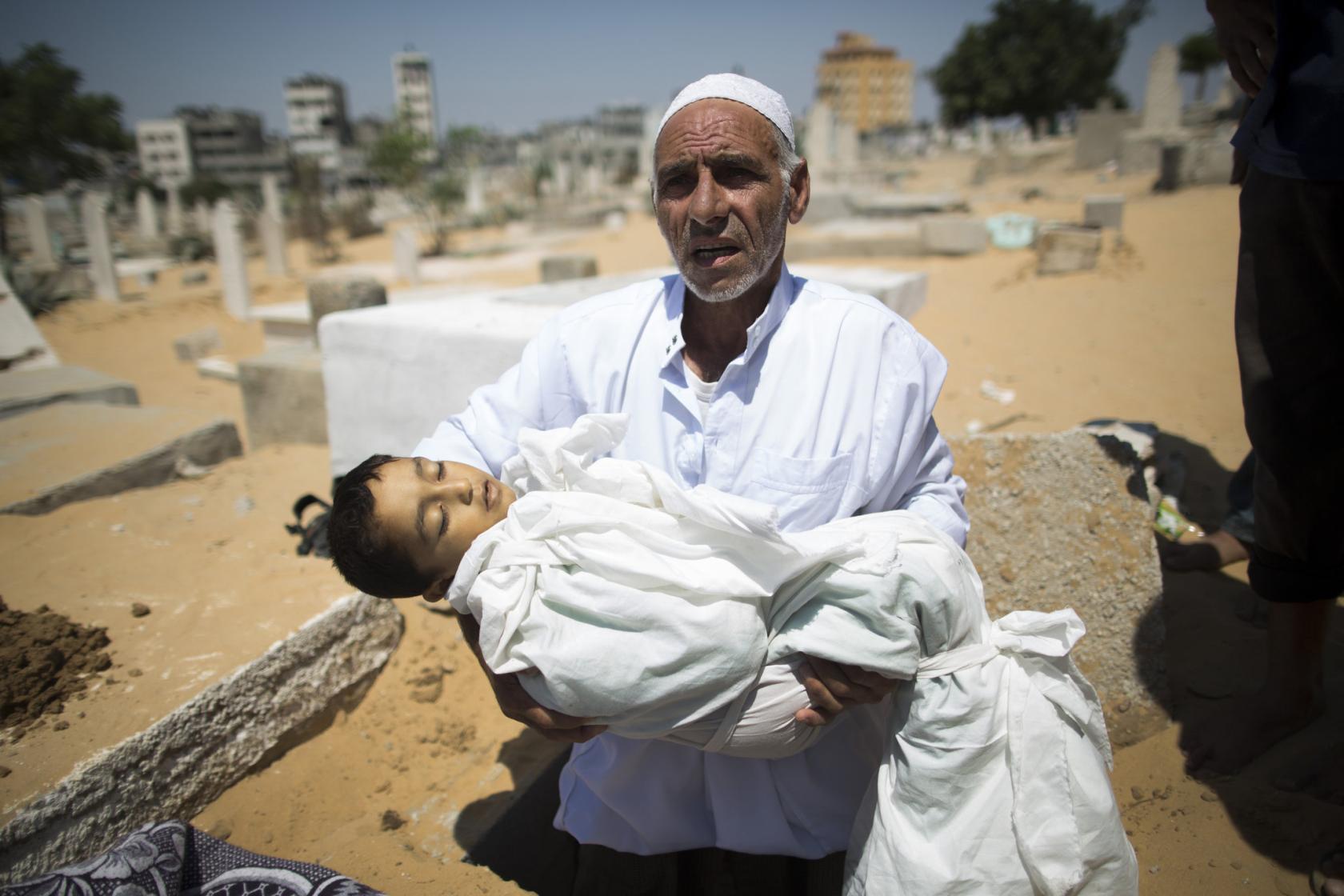
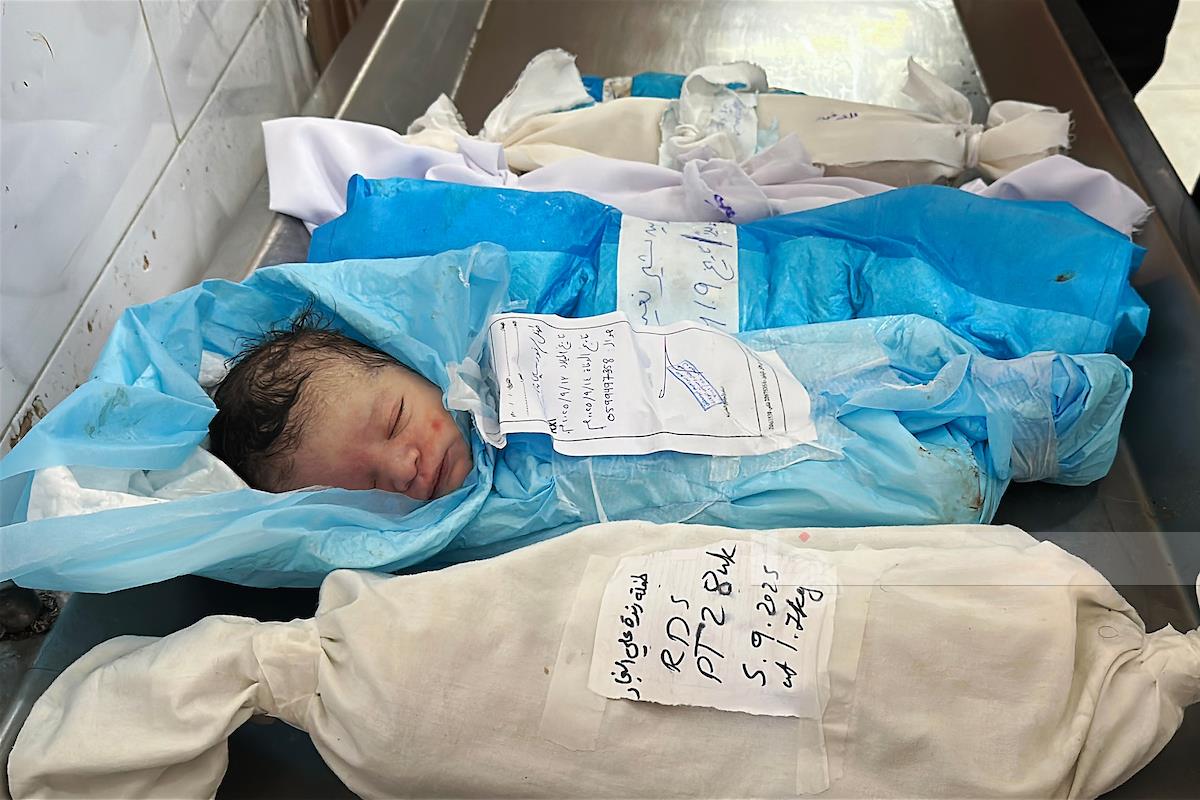
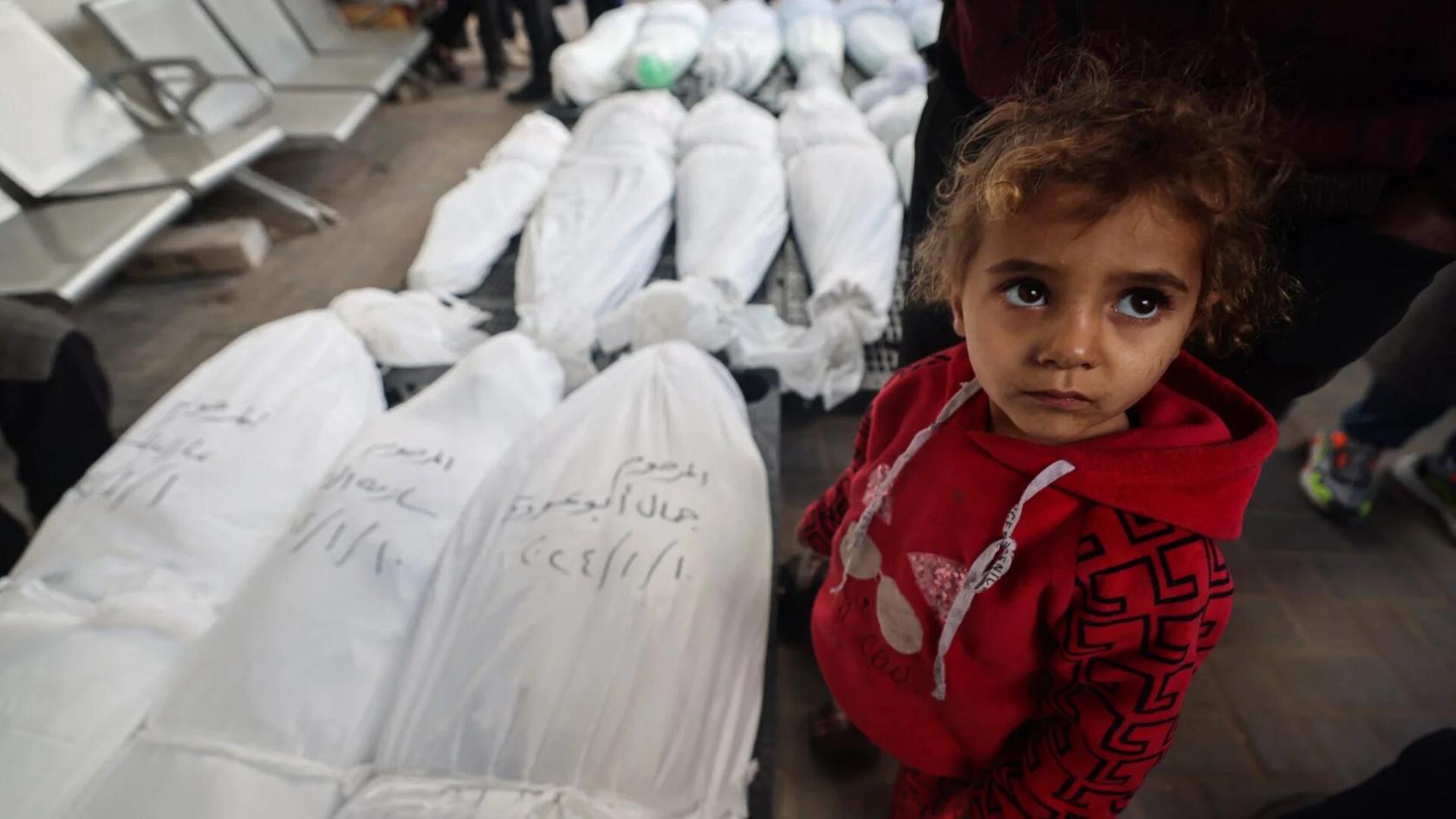
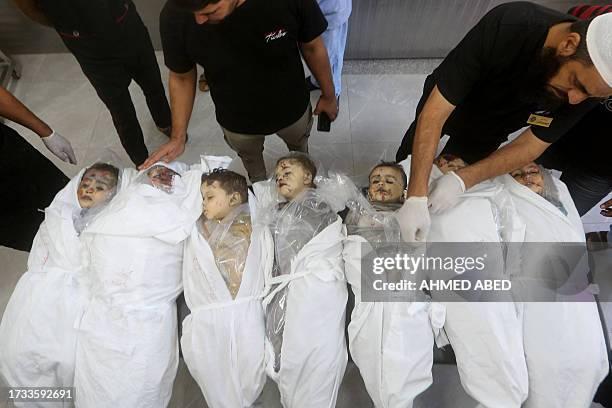
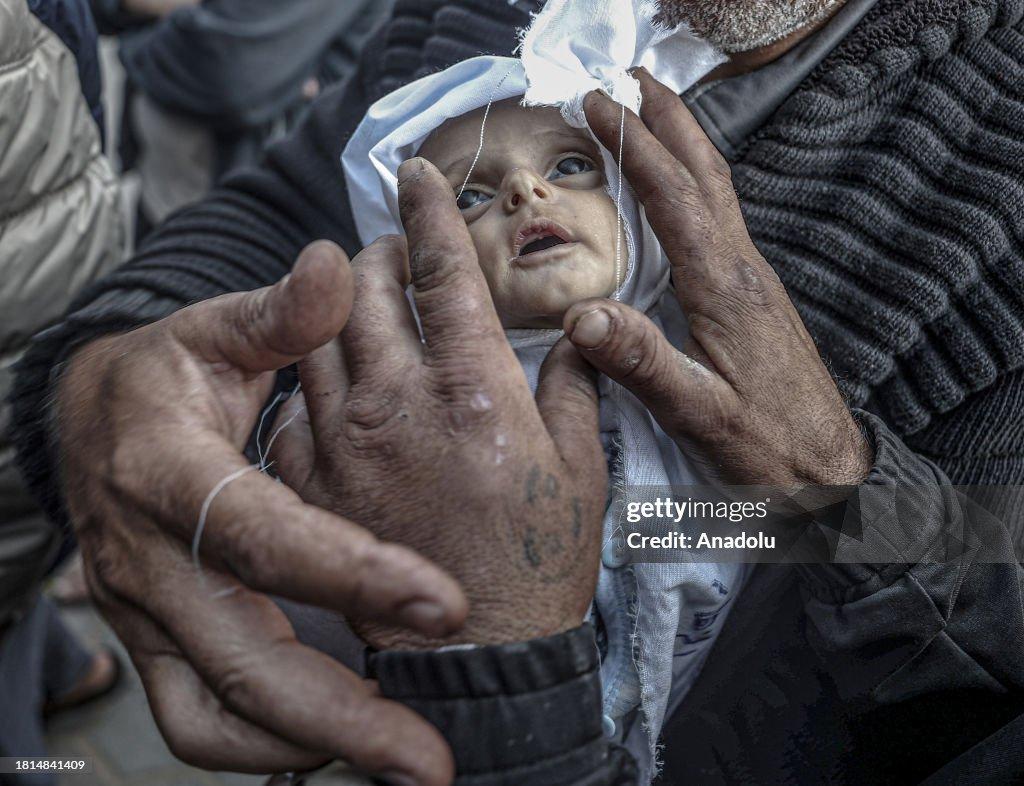
Under international humanitarian law, the dead, including children, must be respected and their remains treated with dignity. Parties to the conflict must facilitate recovery, identification and, wherever possible, return their remains to families to enable burial in accordance with religious and cultural traditions and to permit relatives to mourn.
|
|
| ||
|
|
| ||