The essence of childhood has been destroyed
Israel’s deliberate targeting of Palestinian children in the Occupied
Palestinian Territory since 7 October 2023
Independent International Commission of Inquiry on the
Occupied Palestinian Territory, including East Jerusalem,
and Israel
Human Rights Council
Sixty-second session
Distr.: General
18 June 2026
Artwork: Jana Ayad, a malnourished Palestinian girl, rests on a bed as she receives treatment at the International Medical Corps field hospital in Deir al-Balah in the southern Gaza Strip, 22 June 2024 (Reuters/Mohammed Salem)
- Summary & File
- III Applicable legal framework
- IV. Physical harm against Palestinian children by Israel
- Audiobook
Summary & File
The Independent International Commission of Inquiry on the Occupied Palestinian Territory, including East Jerusalem, and Israel examines violations and crimes against and affecting Palestinian children, including serious physical and psychological harm by the Israeli security forces since 7 October 2023 resulting in the death of at least 20,179 and injury of 44,143 children.
The Commission examines the use of torture, inhumane and degrading treatment, including sexual and gender-based violence, against Palestinian children, particularly during mass arrests and in detention. It analyses pattern of Israel’s targeting of critical infrastructure essential to children, such as healthcare facilities and its short- to long-term consequences, as well as the impact of reproductive violence on newborns, resulting in poor neonatal health and birthing outcomes; attacks on orphanages and schools, impacting the loss of care for orphans and unaccompanied children, and inducing academic harm and learning disruptions for children, respectively.
|
|
|
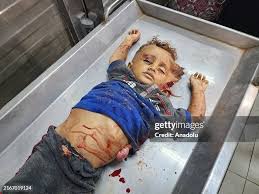
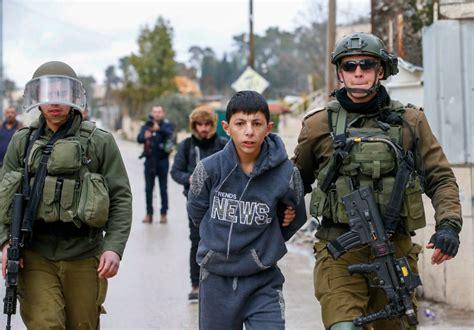
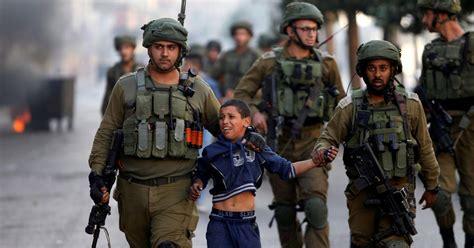
- pattern of Israel’s targeting of critical infrastructure essential to children
- healthcare facilities
- reproductive violence on newborns
- poor neonatal health and birthing outcomes
- attacks on orphanages
- attacks on schools
- loss of care for orphans and unaccompanied children
- academic harm and learning disruptions
Further, the Commission examines how Israeli soldiers mock and weaponize symbols of childhood in Gaza, raising ethical, disciplinary and legal questions about the conduct of the Israeli security forces during the ground invasion of Gaza.
Notice: Press on the top left Menu button named Info, the actual report attached at the bottom of the left hand side column.
III Applicable legal framework
13.
The Commission affirms that children are rights holders whose rights are enshrined in human rights instruments. Children are entitled to all the rights of human beings, as well as rights held by them alone as children, including under article 25 of the Universal Declaration of Human Rights (UDHR), which entitles them to special care, assistance and social protection, and under the Convention on the Rights of the Child (CRC). This heightened protection applies to all Palestinian children under the occupation of Israel, as an occupying power, in the Occupied Palestinian Territory, including East Jerusalem. This special status of children is stipulated under international human rights law, international humanitarian law, international criminal law and customary international law, which together recognise that persons under 18 have distinct needs and vulnerabilities that require additional safeguards in situations of armed conflict, occupation and law enforcement.
18.
As an occupying power, Israel has extensive duties towards the protected civilian population, especially children: it must, to the fullest extent of the means available, ensure the provision of adequate food and medical supplies, maintain medical and hospital services, and facilitate the work of relief organisations to meet children’s needs.
18. It is prohibited from imposing collective penalties or other measures that result in widespread deprivation among children.
19.
Internment or administrative detention of protected civilians should be an exceptional measure of last resort, permissible only when the security of the detaining power makes it “absolutely necessary”. This standard is even more restrictive when applied to children. In light of their dependency and developmental needs, the internment of children must be considered a highly exceptional measure, justified only by demonstrable, individualised, imperative security reasons and never used as a tool of general deterrence, population control, retaliation or collective punishment. General security assertions, broad categories of suspected behaviour or assumptions based on association, family ties or place of residence cannot satisfy the strict necessity test for the internment of a child, and any doubt must be resolved in favour of non-detention of a child, in line with their best interest and do no harm.
21.
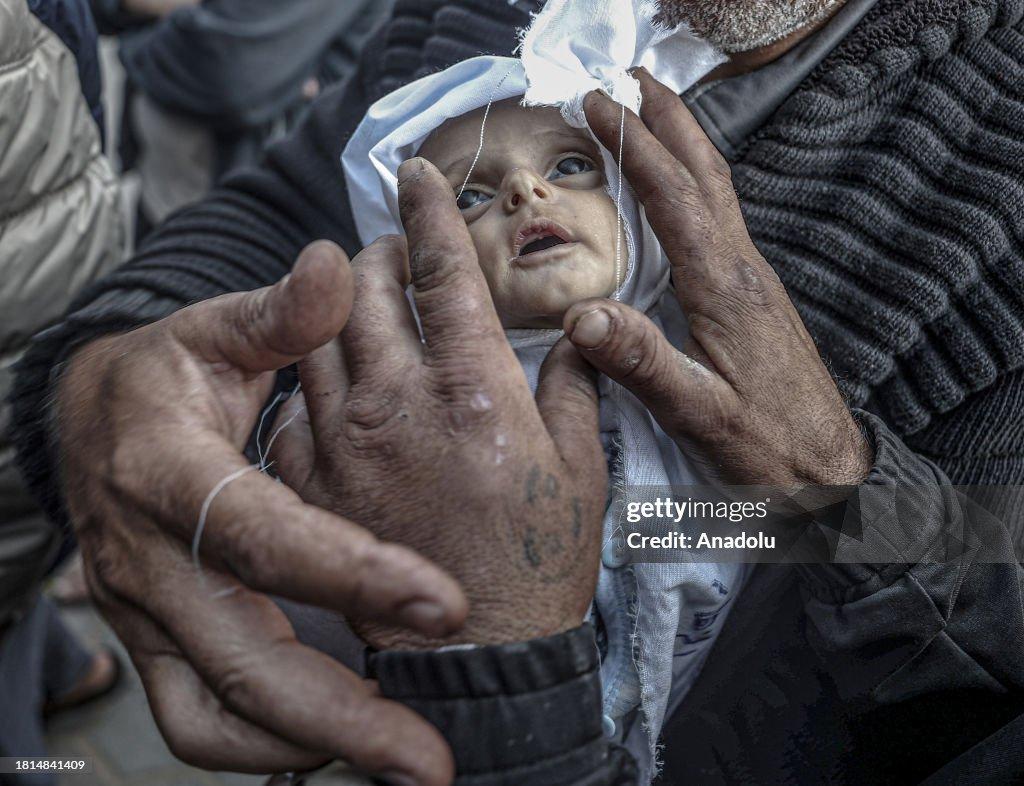
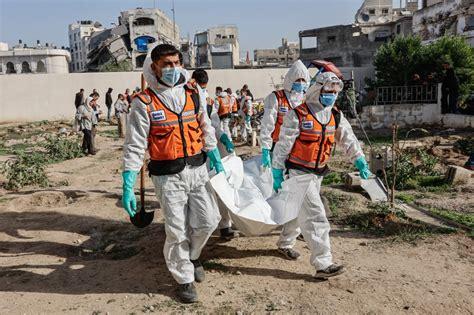
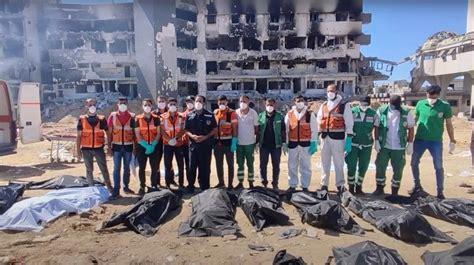
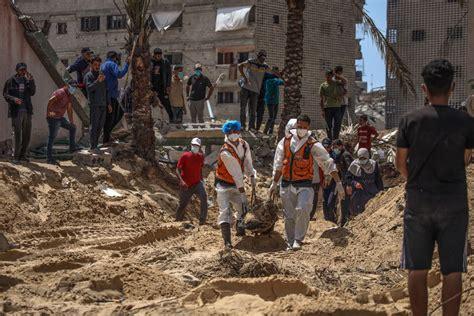
Under international humanitarian law, the dead, including children, must be respected and their remains treated with dignity. Parties to the conflict must facilitate recovery, identification and, wherever possible, return their remains to families to enable burial in accordance with religious and cultural traditions and to permit relatives to mourn.
|
|
|
|
|
|
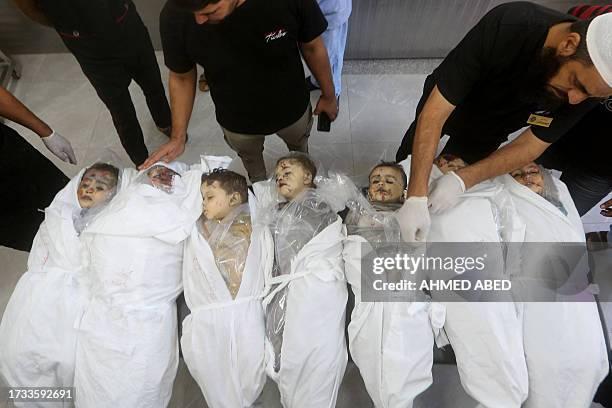
IV. Physical harm against Palestinian children by Israel
“You will die, your children will die, your grandchildren will die – there won’t be a Palestinian state, there won’t be - Hanoch Milwidsky, Member of the Knesset (Likud) on 21 February 2024.
A. Child casualties due to Israel’s use of explosive weapons in populated areas
26.
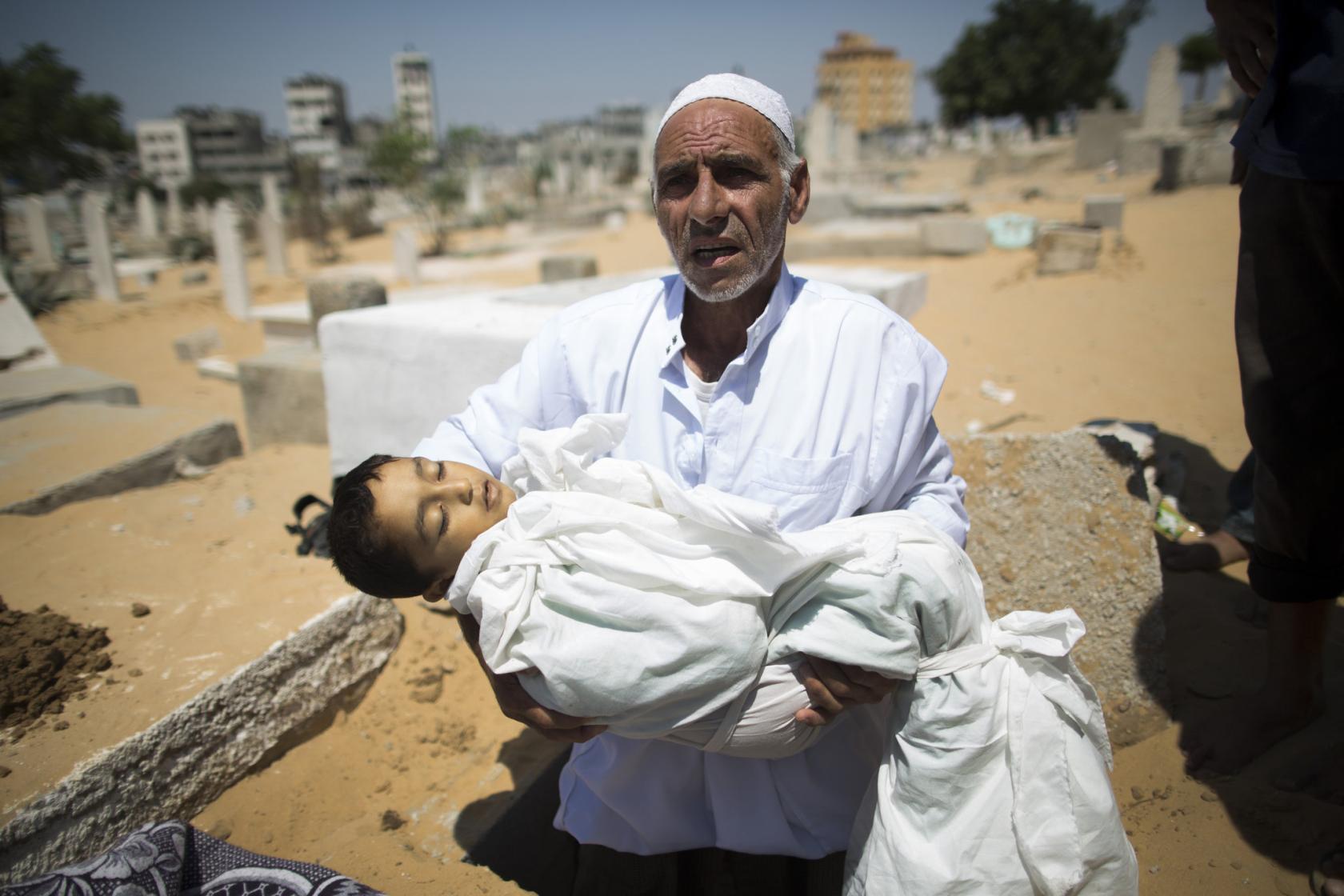
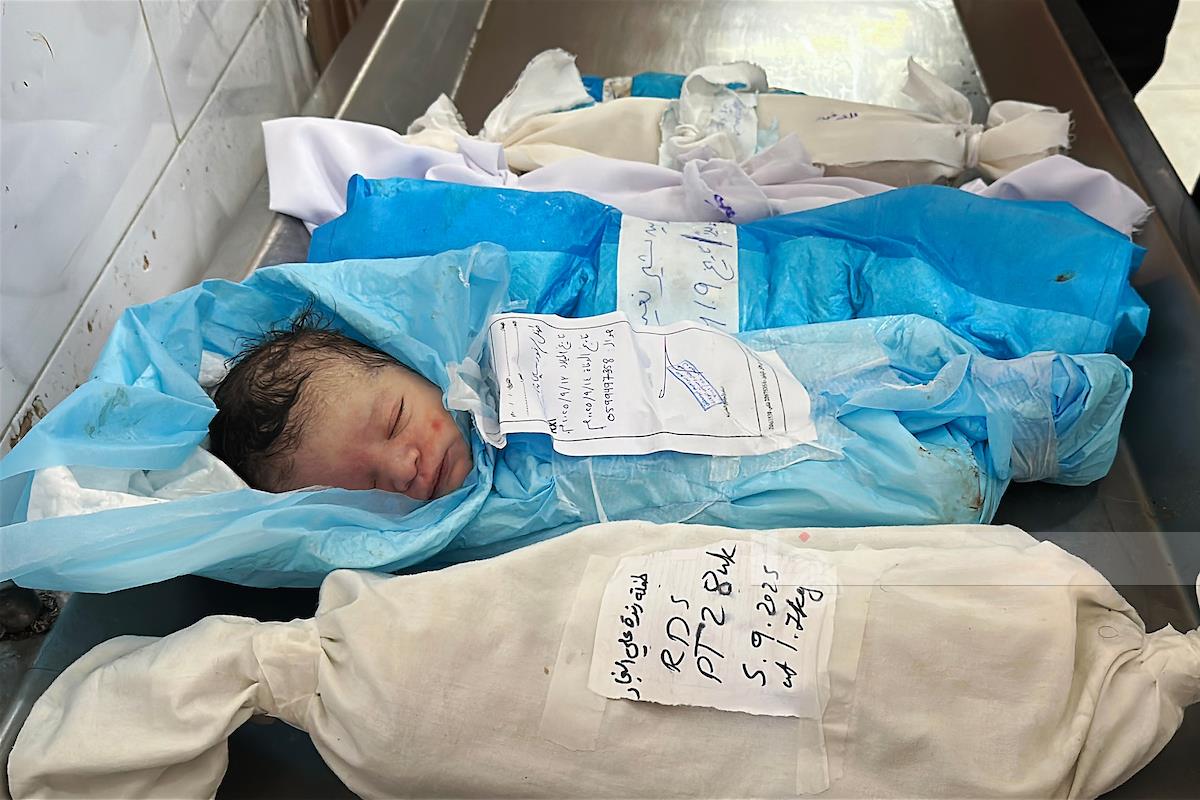
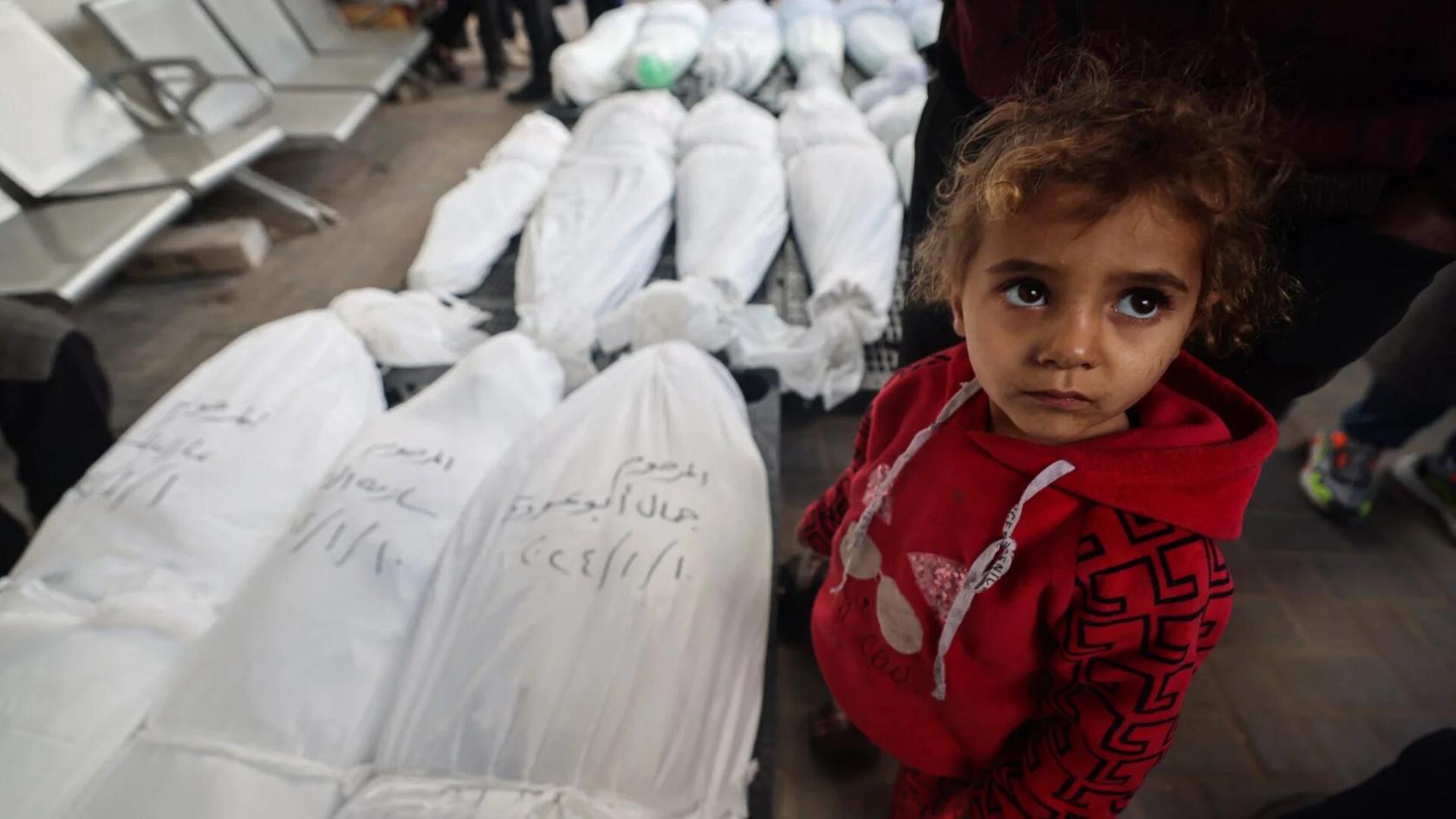
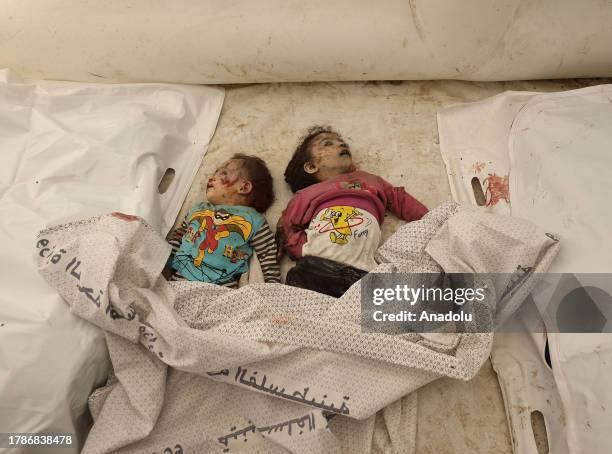
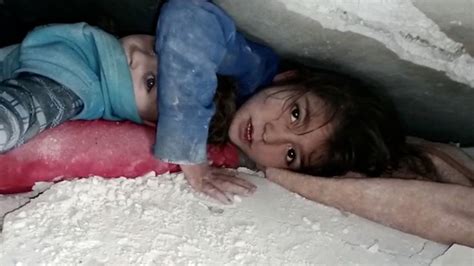
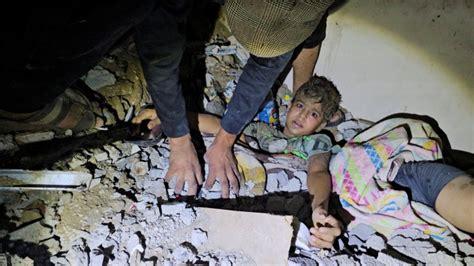
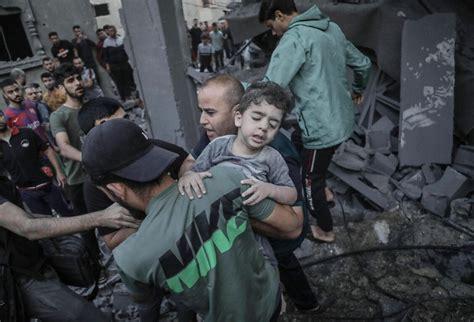
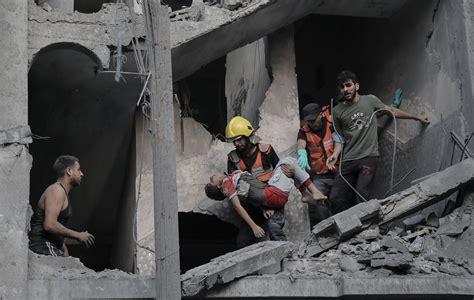
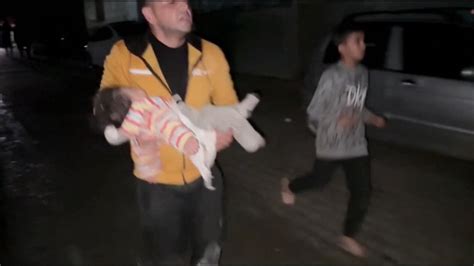
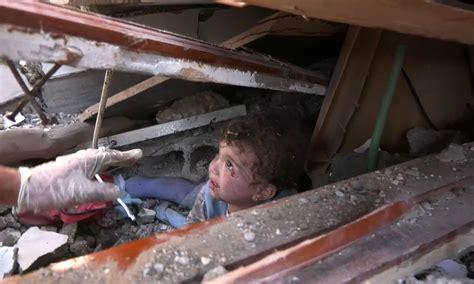
Until 7 October 2023, roughly half of the population of the Gaza Strip was under the age of 18. These children had already lived their entire lives under the Israeli blockade and occupation, experiencing multiple rounds of hostilities and trauma. Between 7 October 2023 and 7 October 2025, at least 20,179 children were killed and 44,143 children were injured as a direct result of the hostilities in Gaza, constituting 30 percent of those killed and 26 percent of those injured during this period. The Commission notes the increase in the proportion of children killed in comparison to previous escalations of hostilities wherein children made up approximately 24 percent of the conflict-related fatalities in the escalations of hostilities of 2008-2009 and 2014.
28.
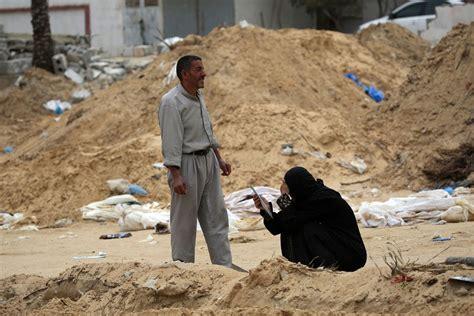
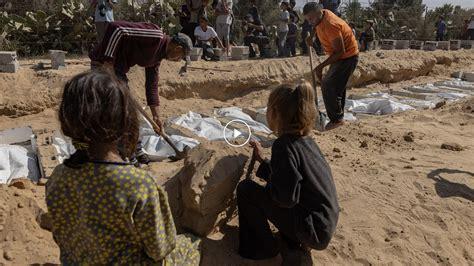
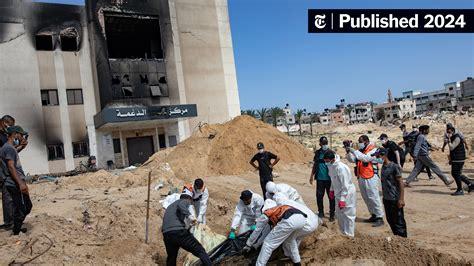
Additionally, unknown numbers of children are buried in unmarked graves without their deaths being recorded or are simply missing. Over the two-year period, child casualties in Gaza have varied significantly across different phases of the hostilities, reflecting shifts in the intensity, geographic spread, and the Israeli military tactics and operations – timeline of key events is noted in Annex I at the end of this report.
|
|
|
|
|
|
|
|
|
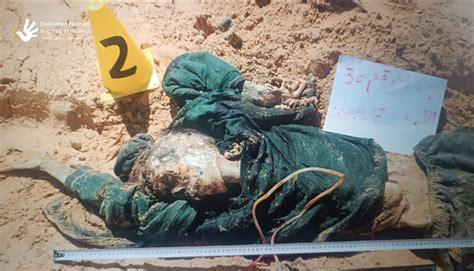
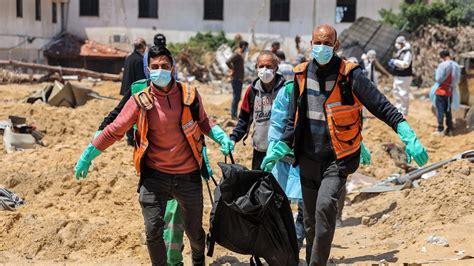
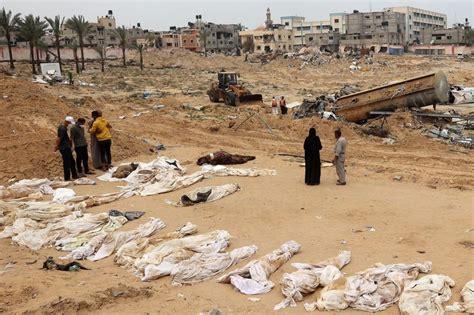
29.
The Commission has previously noted that the increase in child casualties absolutely and proportionally in comparison with previous escalations of hostilities is due to Israeli security forces’ use of explosive weapons with wide-area effects (see paras. 30- 33) and an expansion of its targeting criteria, without taking adequate precautions, resulting in high child casualties among family members, neighbours and displaced communities at large.
|
|
|
|
|
|
30.
On 25 December 2023, Israeli security forces issued a statement about its targeting approach in Gaza: “Whereas in past operations or wars, Israel has been more selective or “accurate” with regards to the exact types of Hamas targets struck, given that Israel’s overall objective was limited to diminishing Hamas’s capabilities, Israel is now focused on dismantling Hamas’s capabilities altogether, i.e. causing “maximum damage” to Hamas’ military capabilities in their entirety.” The Commission found that statements by the Israeli security forces, in conjunction with its practice on the ground, indicate a de facto blanket permission to target civilian locations widely in Gaza.
33.
The killing and injuring of children continued through temporary pauses in fighting, revealing that each pause in fighting has repeatedly failed to protect the most vulnerable. In one example, on 18 March 2025, the pause was ended by Israel by launching waves of airstrikes across Gaza without prior warning, killing at least 170 children by mid-day. Between 18 and 31 March 2025, airstrikes, bombardments and ground operations by the Israeli security forces killed at least 322 children and injured 609 children, amounting to killing or injuring at least 100 Palestinian children per day in a span of two weeks alone.
35.
The overwhelming scale and rate of children killed and injured in Gaza have been unparalleled across modern conflicts globally. Israel’s conduct in Gaza since 7 October 2023 and its harmful consequences on children have led UNICEF to rank the Gaza Strip as “the most dangerous place in the world to be a child”.
1. Continued killing and maiming of children since the October 2025 ceasefire agreement
38.
On 29 November 2025, two brothers, aged 10 and nine, were killed in an Israeli drone strike near Bani Suheila, east of Khan Younis in southern Gaza. The boys were gathering firewood for their wheelchair-bound father when the strike occurred. Israeli security forces stated that soldiers spotted two “suspects” crossing the ‘yellow line’, acting suspiciously and approaching their forces, so a drone eliminated the “immediate threat”. At the outset, the Commission notes that the boys were located more than 300 meters from the Israeli soldiers’ rifles, meaning that they could not have posed any immediate threat from such a distance. The soldiers should not have classified the boys as “suspects” in the first place since they were clearly involved only in collecting firewood. The soldiers failed to adequately assess the ages of boys, their intentions and capabilities as a ‘threat’. The Commission finds that Israeli security forces’ Kfir Brigade were operating in the area.
39.
The Commission is not aware of any formal investigation initiated by the Israeli security forces against those responsible, similar to other attacks which have not been investigated to date, underscoring a systemic impunity relating to the killing of Palestinians including children. By maintaining that the children killed were “suspects”, the Israeli security forces have deflected responsibility to Palestinian children, portraying them as “terrorists” rather than casualties.
Such tactics by the Israeli security forces serve to distort the factual narrative and further marginalize affected children and their families.